
Photo: mattbuck (category) / Wikimedia Commons (CC BY-SA 4.0)
About this place
Dunstanburgh Castle stands on a headland on the Northumberland coast between Craster and Embleton.
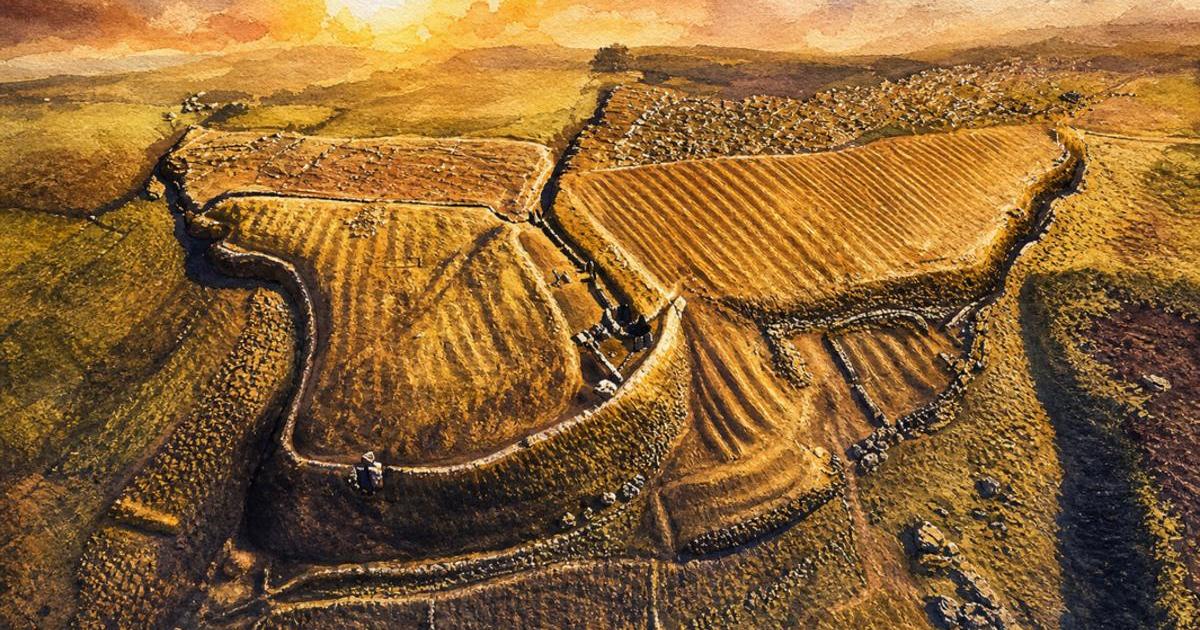
Thomas, 2nd Earl of Lancaster began building it in 1313, raising one of the largest castles in northern England on the site of an Iron Age fort.
Today it survives as a ruin, reached by a walk along the coast path with no road access.
English Heritage manages the site, though the National Trust owns the land.
Read more on WikipediaHistory
Thomas of Lancaster built the castle between 1313 and 1322 as a stronghold against Edward II. He was captured fleeing towards it after the Battle of Boroughbridge and executed soon after. John of Gaunt strengthened the defences in the 1380s against Scottish raids. The castle changed hands repeatedly during the Wars of the Roses, damage from which it never recovered. It fell into decay over subsequent centuries, and eventually passed into private ownership.
Architecture
The castle was laid out on a grand scale for its date, with a massive twin-towered gatehouse. John of Gaunt later converted this gatehouse to serve as a keep in the 1380s. The design was meant to rival the nearby royal castle at Bamburgh.
Worth knowing
J.M.W. Turner painted the ruins more than once, drawn by the drama of the site.
Facilities
Plan your visit
Nearest station: Chathill Rail Station (5.5 miles)
Nearby properties
Craster Tower
View Craster Tower on heritage mapPreston Tower
View Preston Tower on heritage mapWarkworth Hermitage
View Warkworth Hermitage on heritage mapHistoric places nearby
Within 5 miles of Dunstanburgh Castle there are 1 historic properties, including 1 historic house.
Within 10 miles of Dunstanburgh Castle there are 6 historic properties, including 3 castles and 2 historic houses, across Historic Houses and English Heritage sites.
Within 20 miles of Dunstanburgh Castle there are 14 historic properties, including 6 castles, 4 historic buildings and 4 historic houses, across Historic Houses, English Heritage and National Trust sites.
Facts
A vast 14th-century ruin reachable only on foot, framed by cliffs and the North Sea.
- Type
- castle
- Location
- Northumberland, England
Featured in Hidden Britain
Get Hidden Britain
A free weekly newsletter on Britain's overlooked historic places.